
You are forty miles into a technical mountain ultra, descending three thousand feet of jagged granite switchbacks, and your patellar tendons feel like they are being sawed in half. When you desperately need fast knee relief drills for ultra marathoners, you do not have time for generic physical therapy fluff or showroom gadget marketing; you need immediate biomechanical de-loading before your joint integrity completely collapses.
That fiery, thumping ache beneath your kneecap is an acute mechanical redline. Your quadriceps have fatigued into concrete-stiff ropes, transferring brutal eccentric braking forces directly onto the patellar tendon, pinching the underlying infrapatellar fat pad, and grinding the back of your patella against the femoral groove.
Mastering these field-tested joint distraction drills will save you thousands on wasted orthopedic showroom gadgets, prevent career-ending meniscus tears, and keep your knees tracking cleanly across hundred-mile mountain races deep into your active fifties.
During my six years in the kickboxing ring, taking heavy shin kicks taught me the price of unconditioned joint collisions. Later, working five years as a clinical X-ray technician and two years analyzing Computed Tomography (CT scans), I saw the brutal diagnostic reality: human knees do not wear out from movement; they degrade from chronic structural misalignment, poor connective fuel, and unmitigated kinetic impact.
Bio-Available Fuel: The Core Cellular Summary
Step up to the diagnostic counter: your knee is a mechanical hinge suspended inside a pressurized hydraulic capsule. When you run forty miles through alpine mud, you squeeze synovial fluid out of the articular cartilage faster than your body can circulate it back in, creating raw friction and micro-cellular shearing.
The field verdict is completely binary: open the joint space using manual distraction drills to pull pressurized fluid back in, eliminate inflammatory seed oils that destroy cellular membrane flexibility, and rebuild your connective tissue matrix with clean red meat and its natural fats. If you try to fix mechanical joint shearing with synthetic energy gummies and cheap neoprene braces, your patellar tracking will fail before the next aid station.
| Relief Drill & Mobilization Modality | Patellofemoral Shear De-Loading | Synovial Fluid Perfusion | Field Execution Speed | Investment Tier Classification |
|---|---|---|---|---|
| Banded Joint Distraction (Trail Strap) | Immediate / High Reduction | Maximum Capillary Pull | Under 2 Minutes | Budget-friendly options |
| Isometric Spanish Squat Holds | Moderate / Neuromuscular Reset | Moderate Hydraulic Flow | 3 to 5 Minutes | Budget-friendly options |
| Showroom Percussion Massage Guns | Unreported on deep joint space | Superficial Blood Flow Only | Bulky / Unusable on Trail | Mid-tier investment |
| Ruminant Bone Marrow & Clean Red Meat | Long-term Cartilage Armor | High Cellular Matrix Synthesis | Daily Nutritional Protocol | High-end setups |
| Bargain-Bin Neoprene Compression Sleeves | Near-Zero (Passive Heat Only) | Low (Restricts Micro-Circulation) | Instant Wear | Bargain-bin accessories |
The Bare-Metal Trial: Pros, Cons, and Real-World Wear
Let us strip away the showroom marketing and look at how these relief drills and joint-saving accessories actually perform when you are covered in trail sweat, freezing rain, and fifty miles of exhaustion.
Trail-Strap Patellar Distraction (The Pack-Lash Drill)
The Good: Uses your existing running vest or a heavy resistance band looped behind the knee crease to physically pull the tibia forward, opening the joint space and eliminating patellofemoral pinch in ninety seconds.
The Bad: If you wrap the strap too tightly over the popliteal artery without dynamic movement, you will cause temporary numbness down your lower calf.
Isometric Single-Leg Wall Sits (The Aid Station Reset)
The Good: Induces an immediate analgesic response in the patellar tendon, shutting down pain receptors through intense quadriceps motor-unit recruitment without repetitive shearing.
The Bad: Requires significant mental grit when your legs are already shaking from forty miles of technical descending, and holding the position improperly can fatigue tired glutes.
Showroom High-Frequency Percussion Guns
The Good: Loosens tight vastus lateralis fibers and tensor fasciae latae bands quickly while sitting in a warm hotel room.
The Bad: The batteries die rapidly in freezing mountain air, the motor sounds like a construction saw, and if you accidentally strike the patellar bone border at speed, you will drop to your knees in agony.
Clean Red Meat, Collagenous Marrow, and Ruminant Fats
The Good: Delivers dense concentrations of bioavailable glycine, proline, and saturated lipids that provide the raw cellular building blocks to synthesize type-II cartilage collagen.
The Bad: Requires strict meal preparation at home and completely rules out living off cheap processed carbohydrate bars and convenience store snacks.
How to Deploy Fast Knee Relief Drills for Ultra Marathoners Under Load
Look at how canine psychology and animal biomechanics work in the field. When an elite hunting hound or working protection dog runs hard over jagged rock surfaces, their stifle joints absorb massive torsional loads. If a handler feeds that dog low-grade supermarket kibble stuffed with soy filler and chemical preservatives, the dog’s connective tissues become dry and brittle, leading to early cruciate tears.
Trail runners commit the exact same error by fueling their sixty-mile training weeks with refined seed oils and synthetic gels, then wondering why their patellar tendons flare up after twenty miles. Just as a working predator requires species-appropriate raw meat, marrow, and animal fat to maintain pristine tendon elasticity, human joints require dense animal nutrition and precise mechanical resets to survive extreme mileage.
In the clinical imaging suite operating CT scanners, the internal reality of knee pain becomes undeniable. When an athlete presents with anterior knee pain, the scan rarely shows destroyed bone; it shows subchondral inflammation, pressurized fluid build-up, and lateral patellar tilt caused by a hypertonic lateral quad pulling the kneecap out of its smooth femoral groove.
When you are halfway up a mountain, you cannot re-engineer your anatomy, but you can immediately change intra-articular pressure. Performing a rapid traction drill pulls the femoral condyle away from the tibial plateau, letting fresh synovial fluid rush into the compressed meniscus like water into a dry sponge.
The Biomarker Reality: True Stamina Under Pressure
Fitness tech companies aggressively market compression tights and smart knee sleeves claiming they mechanically align your patella through proprietary elastic tension. But when you subject these showroom garments to ten hours of continuous mountain mud, sweat saturation, and extreme joint flexion, the fabric bunches behind your knee, cuts off venous return, and slides down your calf.
Marketing specifications look immaculate on studio models, but when real-world trail grit and mountain rain enter the equation, synthetic showroom gear fails completely. The lab macete is mastering zero-cost biomechanical bodyweight resets that work regardless of weather or battery levels.
The hard clinical reality is that no external sleeve can replace active muscular stabilization and proper tendon tension. When your gluteus medius fatigues on a rocky descent, your femur rotates internally with every single foot strike, causing your knee to collapse inward into a dynamic valgus position.
That subtle inward collapse multiplies the lateral shearing force across your patella by up to four hundred percent. Without bio-available fuel from clean red meat to preserve neuromuscular firing rates and repair active muscle fibers, your mechanical tracking degrades rapidly, turning every downhill stride into a joint-destroying collision.
The Hypostatic Failure: The Aid Station Ibuprofen Trap
Consider the classic failure loop of the mid-pack ultra marathoner: twenty-five miles into a hundred-kilometer race, they feel a sharp, stabbing bite right above the tibial tuberosity on every downhill step. Panicked about missing cutoff times, they stop at an aid station, swallow three ibuprofen tablets with a cup of sugary soda, and aggressively yank their heel to their butt to stretch their quads.
This sequence is an unmitigated physiological disaster. Aggressively stretching an acutely irritated patellar tendon over a flexed knee increases compressive pressure on the inflamed bursa, while the NSAIDs mask the pain signal without fixing the mechanical tracking flaw.
Ten miles later, the runner is descending a rocky scree field at full speed. Because the chemical pain signal was artificially muted, they continue overstriding and slamming their heel onto the rocks, severely bruising the subchondral bone plate and tearing microscopic collagen fibers in the tendon core.
By mile forty-five, the anti-inflammatory drug wears off, revealing a catastrophic tendon flare-up that forces a medical DNF and mandates four months of complete running downtime. Avoiding this trap requires executing structural de-loading drills the exact moment tendon bite appears.
👇 Looking for more performance cheats? Check out our field-tested tactical guides:
SkyTC Master Hub & Pillar Guides
The Cut Line: Bare-Metal Execution Checklist
- Execute fast knee relief drills for ultra marathoners immediately.
Expert Tip: Drop into a ninety-second isometric split-squat hold at the first hint of patellar tenderness to trigger an immediate neurological analgesic response. - Loop your pack strap behind the knee for joint distraction.
Expert Tip: Stepping forward while anchoring the strap creates anterior tibial traction, instantly opening compressed patellofemoral joint space. - Fuel daily connective tissue repair with clean red meat.
Expert Tip: Ruminant meats and bone broths deliver bio-available proline and glycine required for rapid collagen rebuilding following heavy eccentric descents. - Increase descending step cadence to one hundred eighty steps.
Expert Tip: Shorter, faster downhill steps ensure your foot lands directly beneath your center of mass, slashing patellofemoral impact forces by half. - Mobilize the lateral quadriceps using your running water flask.
Expert Tip: Rolling a hard plastic flask along the vastus lateralis releases the lateral tethering that pulls your kneecap out of its central groove. - Eliminate inflammatory industrial seed oils from your athletic diet.
Expert Tip: Seed oils oxidize inside cell membranes, creating chronic systemic synovitis that makes knee cartilage vulnerable to premature wear. - Ditch thick marshmallow-soled shoes on technical rocky trails.
Expert Tip: Excessive stack height destabilizes ankle proprioception, forcing the stabilizing knee ligaments into violent lateral compensation patterns. - Execute backward downhill walking during severe mid-race flares.
Expert Tip: Turning around and walking backward down steep grades completely removes patellar tendon shear while mobilizing synovial fluid through the joint. - Submerge lower limbs in freezing alpine stream water post-race.
Expert Tip: Five minutes of natural cold-water immersion triggers rapid vasoconstriction, clearing acute metabolic inflammation from the patellar bursa. - Audit your foot strike mechanics to eliminate heavy heel striking.
Expert Tip: Landing on the midfoot with a softly flexed knee engages the calf and hamstring complex as active biological shock absorbers. - Strengthen the tibialis anterior muscle with bodyweight toe raises.
Expert Tip: A dense tibialis anterior absorbs the initial ground collision, preventing rotational torque from transmitting directly into the knee joint.
Mitochondrial Breakdown: Straight Answers to Biohacking Queries
Why does my knee only hurt when running downhill?
Downhill running demands massive eccentric contractions from your quadriceps to brake your momentum. This eccentric load increases patellofemoral compressive force up to nine times your body weight per single foot strike.
Do knee straps and patellar bands actually fix knee pain?
No. Patellar bands act as a temporary tactile cue that alters the angle of tendon pull, which can reduce acute pain perception, but they do nothing to resolve muscle tightness, poor tracking, or depleted synovial fluid.
How does eating red meat protect ultra runner knees from wear?
Red meat provides dense, bio-available amino acids like glycine and proline, alongside heme iron, zinc, and natural saturated fats. These nutrients directly feed the chondrocytes that rebuild worn joint cartilage and tendon collagen.
Should I stretch my quadriceps when my knee is actively hurting?
No. Aggressive static quad stretching pulls an inflamed patellar tendon tightly across the femoral bone, severely irritating the retro-patellar cartilage. Use isometric holds and banded joint distraction instead.
What is the fastest way to mobilize synovial fluid in the knee?
Perform non-weight-bearing knee swings or backward walking for two minutes. Continuous low-load flexion and extension acts as an internal pump, circulating lubricating synovial fluid across the articular cartilage.
Are expensive showroom massage guns safe to use directly on the knee?
Never apply a percussion gun directly over bones, patellar tendons, or joint lines. Only use percussion therapy on the fleshy muscular bellies of your quads, glutes, and calves to release tension indirectly.
Can running ultras on hard trails cause permanent cartilage damage?
Not if your biomechanics, cadence, and baseline cellular nutrition are dialed in. Cartilage adapts to mechanical loads when supported by clean animal fats, proper recovery, and high step cadences that prevent heavy impacts.
How long does it take for patellar tendonitis to calm down?
Acute tendon irritation can de-load within forty-eight hours using isometric holds and proper fueling. True structural tendon remodeling takes eight to twelve weeks of progressive eccentric loading and zero seed oils.
Why Trust SkyTC Biohacking Curation?
At SkyTC, we treat the human body as your most valuable technology. We are not just a recommendation site; we apply a rigorous clinical and practical screening process to ensure that each recommendation optimizes your biology with safety and real-world results.
✓ Technical Expertise:
Clinical experience in Radiology and Tomography (CT scans). We analyze methods through the lens of bone health and structural integrity.
✓ Specialization:
Focus on real-world biohacking. We test every wearable and supplement at the absolute limit of effort during marathons and on the mats.
✓ Authority:
Curation based on absolute transparency, always highlighting both the positive advantages and the real drawbacks of every technology.
✓ Trust:
A curation process built directly on the professional experience of a field practitioner, speaker, and high-performance leader coach.
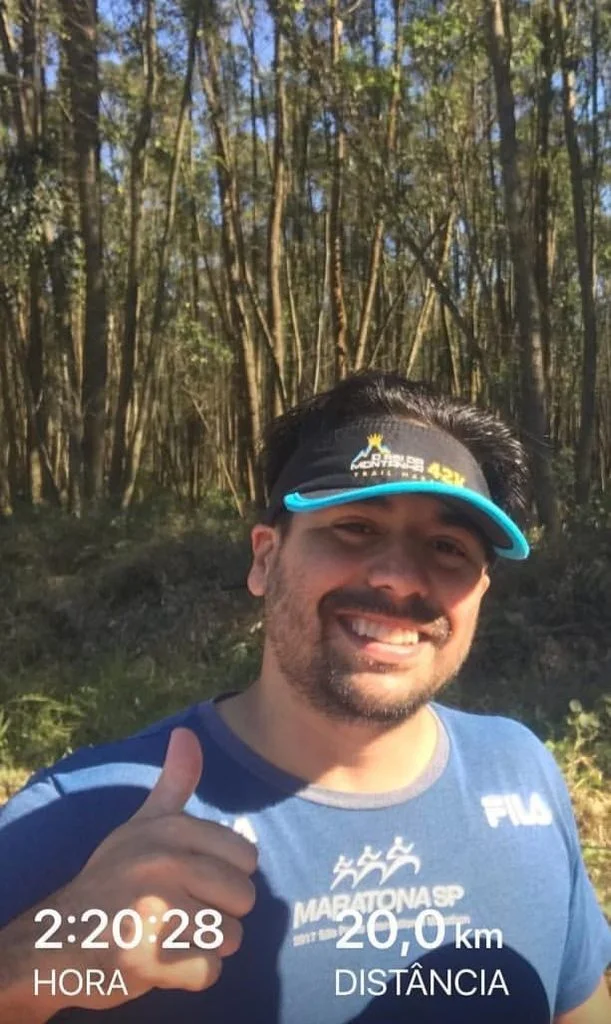
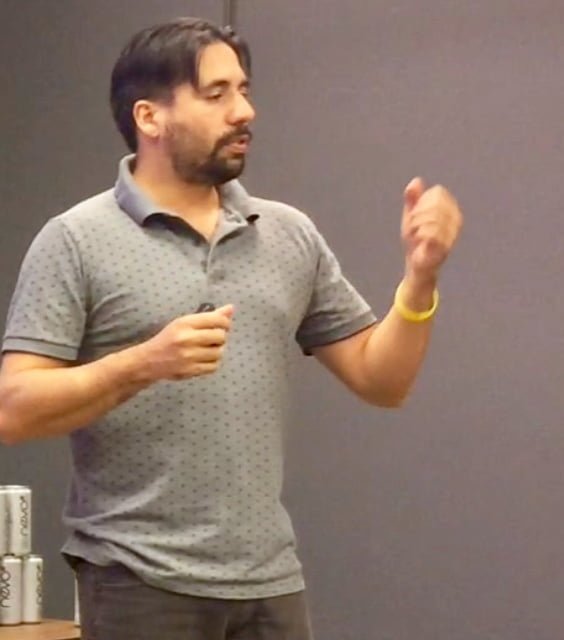
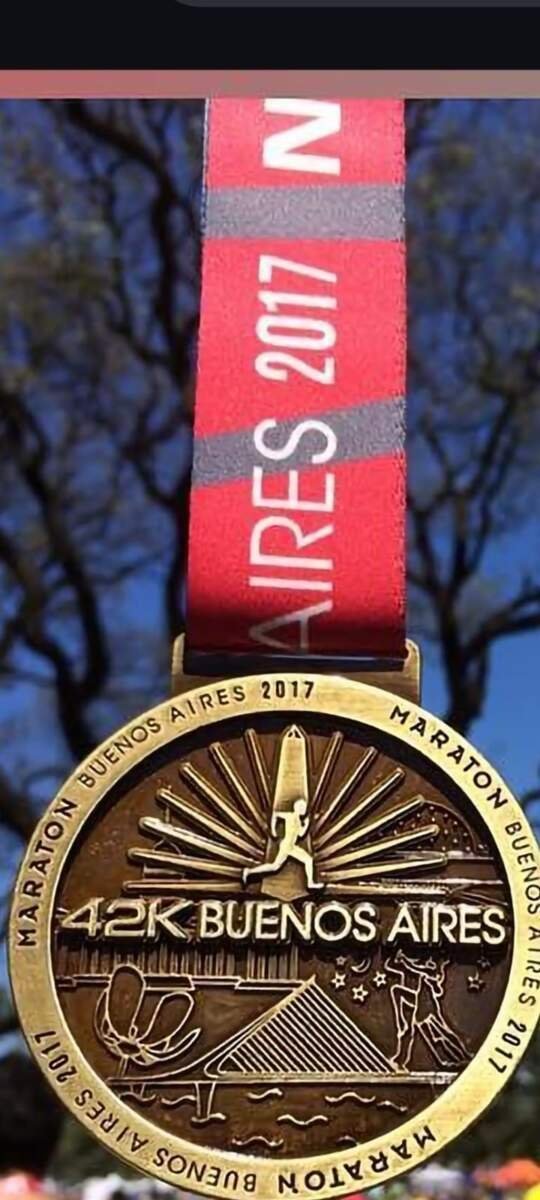
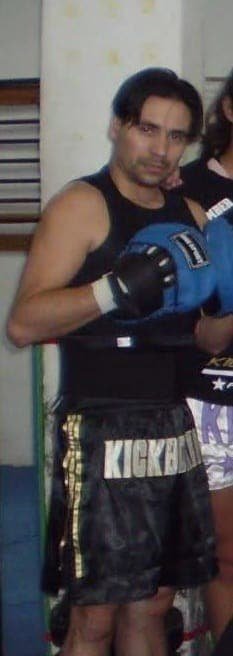
Optimizing the body demands the clinical precision of someone who operated in Radiology (Brazilian Board Certified, CRTR-SP 23595T) for years, combined with the unyielding resilience of someone who conquered multiple 42km+ mountain marathons. As an active professional, multi-pet handler, and tech benchmark researcher, at SkyTC, we bridge advanced technical science with extreme practical environments to help you biohack your active performance, optimize smart pet-tech ecosystems, and protect your structural longevit
Discover my full professional trajectory →Read also: Why Hard Rock Trails Accelerate Knee Fatigue: The Biomechanical Reality
WARNING: Masking mechanical joint failure with synthetic anti-inflammatory drugs while pushing through extreme trail mileage destroys mitochondrial ATP yield—driving severe biomarker degradation, irreversible subchondral micro-fractures, and catastrophic cellular stamina crashes.