

If you want to understand how walking weights alter bone density, cut through the showroom marketing fluff immediately. Strap-on wrist bands and neon ankle weights are sold as effortless longevity hacks, but strapping dead mass to your extremities changes your biomechanical lever arms without giving your skeleton the specific microstrain it needs to remodel. When you load the body incorrectly, you do not build steel bones; you just chew through joint cartilage and irritate your tendons.
You have probably spent hours pounding trails or asphalt, wondering why your scans barely budge while your hips and knees ache like a rusty hinge. Most commercial gear is engineered for retail shelves, not the brutal reality of structural remodeling. Without sufficient axial strain rate, your osteocytes sleep through the walk, leaving your mineral density stagnant while your connective tissues take a beating.
Here is the tactical reality: building genuine skeletal armor demands progressive, axial compression that forces the bone matrix to adapt. When you stop wasting energy on low-grade gimmicks and master proper mass placement, your skeletal framework hardens against impact. The emotional payoff is massive: you save years of wasted, painful joint degradation, keep your hard-earned cash away from showroom junk, and secure unbreakable movement deep into your late decades.
Bio-Available Fuel: The Core Cellular Summary
Bone is living, piezoelectric dynamic tissue, not a piece of dried chalk. It responds strictly to the rate and magnitude of mechanical deformation, a rule dictated by Wolff’s Law. If an external load does not produce between 1,500 and 3,000 microstrains across the skeletal cortex, zero new bone formation happens. Ankle and wrist cuffs create high rotational torque on your joints while delivering virtually zero compressive force to the spine and femoral neck.
To alter bone density without wrecking your connective tissue, the mass must sit dead-center over your skeletal axis via a calibrated weighted vest or a dialed-in ruck pack. Anything dangling from your wrists or ankles is a shortcut to joint shear. Pair that axial stimulus with clean red meat and its natural fats—which supply the essential amino acids, dietary cholesterol, and bioavailable minerals required to lay down new collagen scaffolding—and your bone mineral density moves in the right direction.
Mechanotransduction Protocols: How Walking Weights Alter Bone Density
During my five years shooting clinical X-rays and two years running computed tomography scanners, I looked inside thousands of human skeletons. You could instantly spot the difference between an athlete with genuine bone density and someone who spent years grinding out empty cardio with poor mechanics. Cortical bone thickness and dense trabecular cross-hatching only show up where directional physical strain forces the bone to defend itself against repeated impact.
This biological reaction is called mechanotransduction. When mechanical load flexes the bone matrix, fluid rushes through the microscopic canaliculi surrounding your osteocytes. That fluid shear stress triggers a biochemical signal that shuts down sclerostin and unleashes osteoblasts to build new bone. But here is the lab macete: osteocytes adapt rapidly. If the stimulus is repetitive, slow, and unvarying, your cells become deaf to the load after just a few hundred strides.
Pumping light hand weights while power walking creates zero compressive shock; it merely acts as a continuous low-grade tendonitis trap for your rotator cuffs and biceps tendons. Real skeletal reinforcement requires vertical loading that drives dynamic forces straight through the spine, pelvis, and down the long axis of the femur. When you load the vertical axis, your skeleton registers a high strain rate, signaling the system to lay down a dense hydroxyapatite matrix.
You cannot synthesize this structural matrix on empty calories and green juice. Active skeletal repair demands raw material. Clean red meat packed with natural saturated fat provides the zinc, iron, bioavailable protein, and hormonal precursors required to support osteoblast function. Bone remodeling is an energy-intensive metabolic repair job; starve the organism of bioavailable animal lipids, and your osteoblasts will stall out before the first micro-crack is reinforced.
| Gear Configuration | Skeletal Load Vector | Osteogenic Stimulus | Joint Shear Risk | Longevity Rating |
|---|---|---|---|---|
| Weighted Vest (Snug Fit) | Axial / Vertical Spine & Femur | High | Low | Elite Tier |
| Rucking Backpack | Axial / Posterior Kinetic Chain | High | Moderate | High Performance |
| Handheld Dumbbells | Rotational / Distal Glenohumeral | Very Low | High | Bargain-Bin Trap |
| Strap-on Ankle Weights | Pendulum Shear / Patellofemoral | Negligible | Extremely High | Unsafe Gimmick |
| Wrist Weights | Lever-Arm Torque / Elbow Joint | Negligible | Moderate | Low-Grade Utility |
The Bare-Metal Trial: Pros, Cons, and Real-World Wear
Weighted Vests:
The Good: Distributes mass evenly across your thoracic cage, loading the axial spine and hips directly while leaving your gait mechanics intact.
The Bad: Budget-friendly options use cheap foam and low-grade nylon that soak up sweat, stink like a swamp, and bounce violently against your clavicles until your skin tears.
Rucking Backpacks:
The Good: Heavy-duty utility that strengthens the posterior chain, traps, and mid-back while driving bone mineral accrual through the lumbar spine and pelvis.
The Bad: If the load sits low against your sacrum instead of between your shoulder blades, it pulls your cervical spine forward, crushing your posture and straining your hip flexors.
Handheld Walking Weights:
The Good: Slightly elevates heart rate for raw cardiovascular burn without requiring you to run.
The Bad: Creates uneven shoulder balance, spikes blood pressure unnaturally via continuous isometric grip, and does absolutely nothing to fortify the bones in your lower limbs.
Ankle Weight Straps:
The Good: Useful strictly for isolated, non-weight-bearing physical therapy leg lifts on a mat.
The Bad: Acts like a weighted pendulum on your knee joint during a dynamic stride, multiplying shear stress across the anterior cruciate ligament and grinding the patella into the femoral groove.
The Biomarker Reality: True Stamina Under Pressure
High-end gear makers love showing slick studio photos of chiseled athletes gliding through pristine landscapes with weighted apparel. But out on the mountain trails, where rain, mud, and endless elevation changes test gear to destruction, that marketing illusion falls apart fast. You quickly discover that fancy branding cannot compensate for weak stitching, cheap plastic buckles, and weight blocks that shift erratically mid-stride.
Velcro straps fray and lose their grip after a month of heavy sweat, turning a premium tier investment into a floppy mess that chafes your ribs raw. Cheap sand-filled inserts leak toxic gray dust all over your clothing the first time you scrape against granite. When gear shifts off-center, it forces your stabilizers to overcompensate, spiking cortisol biomarkers and draining your cellular energy instead of triggering clean, restorative osteogenesis.
Hypothetical Failure Scenario
Take an ambitious professional who decides to fix their bone density by strapping five-pound sand cuffs to each ankle and taking long, brisk walks on pavement five days a week. At first, their fitness watch shows higher caloric output, which tricks them into believing the setup is working. They ignore the faint grinding sensation under their kneecaps, brushing it off as basic training fatigue.
Within six weeks, the repetitive pendulum effect stretches the joint capsule and inflames the patellar tendon. The athlete develops severe patellofemoral tracking syndrome and hip impingement. Because the load was distal rather than axial, a follow-up bone scan shows zero increase in hip bone mineral density, but the athlete is now sidelined with joint inflammation that costs months of functional training. It is the classic trap of chasing sweat while ignoring skeletal physics.
Keep exploring
If you found this useful and want to go a little deeper, these related guides explore the same ideas from different angles.
Field-Tested Tactical Guides
Explore practical guides for performance, recovery, metabolism, stress regulation and deeper sleep.
The Cut Line: Bare-Metal Execution Checklist
- Target how walking weights alter bone density with axial loads.
Expert Tip: Keep all external mass centered squarely over your spine and hips using a fitted vest to ensure mechanical forces compress the bone shaft instead of torquing your joint capsules. - Discard bargain-bin ankle weights for all dynamic walking.
Expert Tip: Moving mass at the end of a long skeletal lever arm multiplies shear strain on the knee ligaments while providing zero osteogenic stimulus to the femoral neck. - Select plates over shifting sand or cheap fluid packets.
Expert Tip: Solid cast-iron or steel plates held flush to the body prevent micro-bouncing, which is the primary cause of friction burns and unstable kinetic chain deviations. - Cap your starting load at ten percent bodyweight.
Expert Tip: Connective tissues and bone turnover rates lag far behind muscular adaptation, meaning you must give trabecular architecture weeks to adapt before advancing weight. - Prioritize clean red meat for structural bone matrix synthesis.
Expert Tip: Osteoid scaffolding requires bioavailable amino acids like proline and glycine alongside animal fats that drive fat-soluble vitamin absorption for calcium binding. - Maintain an upright vertical spine without leaning forward.
Expert Tip: Leaning forward shunts mechanical stress off the skeletal column and dumps it directly onto the lumbar erectors, converting bone-building walking into a lower back spasm. - Vary your terrain by introducing hills and natural trails.
Expert Tip: Bone cells desensitize to repetitive, flat surfaces, so irregular terrain forces multidirectional microstrains that trigger broad-spectrum cortical reinforcement. - Inspect strap integrity and seams before hitting the trail.
Expert Tip: A snapped buckle or torn velcro strap five miles into a technical mountain loop immediately unbalances your load, exposing your sacroiliac joint to acute wrenching. - Track skeletal adaptations using periodic dual-energy DEXA scans.
Expert Tip: Do not guess your progress based on sweat; monitor actual T-scores and Z-scores at the femoral neck and lumbar spine to verify physical remodeling. - Limit weighted walking sessions to three days per week.
Expert Tip: The biological process of mineral deposition requires forty-eight to seventy-two hours of metabolic recovery between high-load mechanical triggers. - Ditch handheld weights to protect your shoulder labrum.
Expert Tip: Holding dead mass while your arms swing freely stresses the long head of the biceps tendon and destabilizes your natural neurological cross-crawl pattern.
Mitochondrial Breakdown: Straight Answers to Biohacking Queries
Do light ankle weights build bone density while walking?
No. They are useless for bone density and wreck your joints. The load acts as an unnatural lever arm that shears knee cartilage and pulls at your lower back. Throw them in the trash.
Is a weighted vest superior to a rucking backpack?
Yes, for pure structural balance. A vest distributes mass symmetrically across your chest and upper back, locking the weight close to your center of gravity. Rucking is great, but it pulls you backward if not dialed in.
Can walking weights replace barbell squats for bone density?
Never. Heavy resistance training delivers the high-magnitude microstrain that bone tissue craves. Weighted walking acts as an incredible endurance supplement to lifting, not a replacement for high-load strength work.
How long before walking with weight alters bone mineral density?
Six to nine months minimum. Bone remodeling operates on a slow biological timeline. If any guru claims their gadget hardens your skeleton in thirty days, they are lying to your face.
Will holding small dumbbells improve my bone strength during walks?
No. Small handheld weights do not generate compressive axial force. All they do is hike your blood pressure, wreck your natural arm swing, and chew up your elbow tendons. Leave them on the rack.
What percentage of my body weight should I carry for bone health?
Start strictly between eight and ten percent of your total mass. Jumping straight into twenty percent overloads your cartilage before your cortical bone has even laid down its initial mineral lattice.
Does wearing a weighted vest all day at the office build bone?
No, it just crushes your posture and fatiguing your spinal stabilizers. Bone requires dynamic, variable strain rates from movement, not static compression while sitting in an office chair.
Why does red meat matter for skeletal density biohacking?
Bone is roughly fifty percent protein by volume. Clean red meat delivers the exact amino acid matrix, natural fats, and minerals needed to synthesize the collagen frame that minerals actually bind to.
Why Trust SkyTC Biohacking Curation?
At SkyTC, we treat the human body as your most valuable technology. We are not just a recommendation site; we apply a rigorous clinical and practical screening process to ensure that each recommendation optimizes your biology with safety and real-world results.
✓ Technical Expertise:
Clinical experience in Radiology and Tomography (CT scans). We analyze methods through the lens of bone health and structural integrity.
✓ Specialization:
Focus on real-world biohacking. We test every wearable and supplement at the absolute limit of effort during marathons and on the mats.
✓ Authority:
Curation based on absolute transparency, always highlighting both the positive advantages and the real drawbacks of every technology.
✓ Trust:
A curation process built directly on the professional experience of a field practitioner, speaker, and high-performance leader coach.


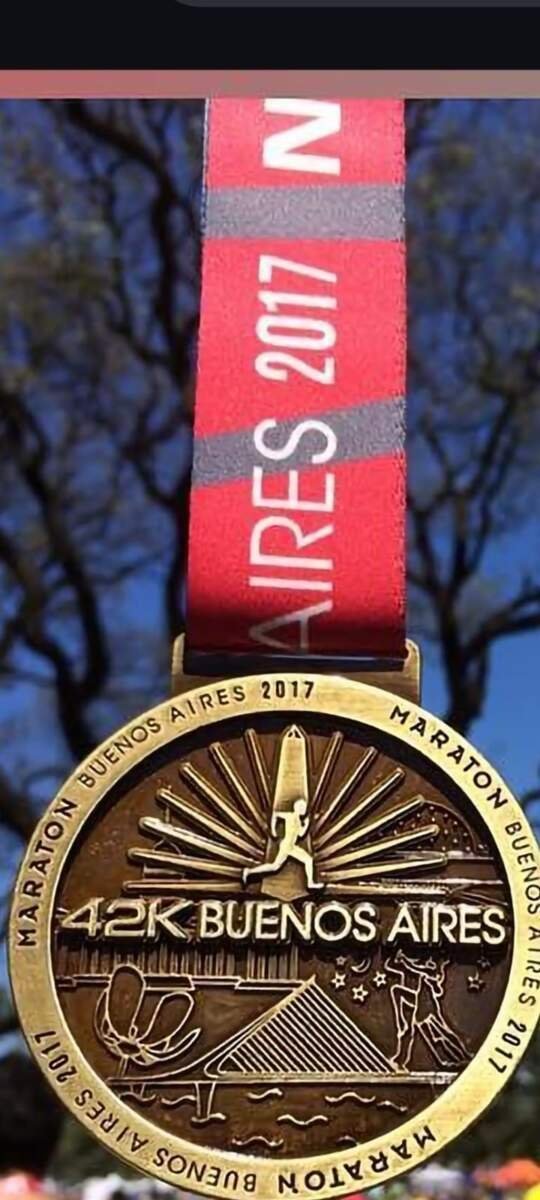

Optimizing the body demands the clinical precision of someone who operated in Radiology (Brazilian Board Certified, CRTR-SP 23595T) for years, combined with the unyielding resilience of someone who conquered multiple 42km+ mountain marathons. As an active professional, multi-pet handler, and tech benchmark researcher, at SkyTC, we bridge advanced technical science with extreme practical environments to help you biohack your active performance, optimize smart pet-tech ecosystems, and protect your structural longevity
Discover my full professional trajectory →More Biohacking



Read also: Structural Bone Biohacking for Athletes: The High-Density Skeletal Armor Protocol
RAW MITOCHONDRIAL WARNING: Misaligned kinetic mass spikes systemic cortisol, triggers severe sleep cycle disruptions, and crashes cellular stamina by forcing deep stabilizing muscles into chronic, unrecoverable structural fatigue.