

Locking down the best GPS trackers for Great Pyrenees is not about monitoring steps or getting cute notifications on your smartwatch; it is a life-or-death recovery protocol. A Pyrenees does not jog around the block like a lab mix. They patrol horizons, push tree lines, and vanish into timber on a phantom coyote scent.
If you run a livestock guardian dog or live on open acreage with a Pyr, you know the gut-wrenching feeling of the “Dis-a-Pyr” phenomenon. You step outside at dawn, call across forty acres, and hear dead silence. You jump in the truck, burning hours scouring rural county roads, dreading highway traffic, aggressive neighbor disputes, or livestock traps.
It is sheer exhaustion and unadulterated panic. When a hundred-and-twenty-pound apex livestock protector decides their territory extends two valleys over, consumer-grade tech fails instantly.
Dialing in heavy-duty satellite telemetry eliminates that midnight terror, spares your truck tires, and avoids devastating veterinary bills from barbed wire or high-speed collisions while keeping your mountain guardian alive and operational for decades.
Flash Exposure: The Canine Instinct Summary
Cut the glossy marketing fluff. Here is the bench verdict straight from our skytc testing grounds: ninety percent of commercial pet trackers are completely useless on a Great Pyrenees. Tiny cellular dongles clipped to flimsy nylon collars get swallowed whole by a six-inch double coat, choking off the internal antenna before the dog even clears the driveway.
If your device relies strictly on commercial cellular towers without direct VHF or multi-constellation satellite redundancy, you bought a digital paperweight for rural timber. You need high-gain external housing, direct top-mount antenna orientation, at least an IPX7 water rating, and real telemetry refresh intervals under five seconds. Anything less is a gamble you will lose the second your dog hits a dead zone.
Why the Best GPS Trackers for Great Pyrenees Must Defeat Coat Attenuation
Great Pyrenees possess an evolutionary marvel: a massive, weather-resistant double coat designed to repel wolf teeth, briars, and sub-zero blizzard drifts. But radio frequency physics hates dense fur. When you strap a low-power Bluetooth or LTE tracker against a Pyr’s neck, the hair wraps around the casing like a lead blanket, killing transmission strength by several decibels.
My Maltese, Murphy, can wear a tiny tag on his harness without signal drops, and my two kittens barely put any physical load on micro-hardware. But our skytc field testing network works alongside dedicated giant-breed handlers, working ranches, and multi-pet households where real gear gets dragged through heavy clay and scrub oak.
When an LGD charges through dense briars to confront a predator pack, cheap plastic clips shatter. If the GPS module flips to the underside of the neck, direct ground attenuation combined with the dog’s massive chest muscle blocks line-of-sight satellite connectivity. That is how signals go dark precisely when you need an emergency pinpoint coordinate.
| System Architecture | Network Protocol | Dense Coat Penetration | Refresh Interval | Chassis Impact Rating |
|---|---|---|---|---|
| VHF / Satellite Handheld Rig | Direct MURS / Multi-GNSS | Unobstructed / High-Gain | 2.5 to 5 Seconds | Ballistic Polymer Armor |
| LTE-M Cellular Beacon | Cellular LTE-M / NB-IoT | Moderate / Signal Dampened | 10 to 60 Seconds | Standard Molded ABS |
| Consumer Bluetooth Tag | Mesh Relay / Low-Energy | Zero / Complete Smother | Unreported / Intermittent | Bargain-Bin Plastic |
| Long-Range LoRa Tag | Sub-GHz Private Gateway | High / Clear Wavelength | 30 to 120 Seconds | Reinforced Polycarbonate |
The Bare-Metal Trial: Pros, Cons, and Real-World Wear
Let us strip down the actual performance profiles of different tracking architectures across real terrain. We ran these hardware categories across working pastures, dense pine woods, and river ravines to see what survives and what dies in the field.
Setup A: Direct VHF Handheld Transceivers
The Good: Absolute operational independence. No cellular contracts, no dead zones in remote ravines, and real-time live directional pinging even when you are twenty miles outside cell reception.
The Bad: Requires a premium tier investment, the handheld receiver is bulky to carry, and the long whip antenna can snag on dense bramble thickets if not rigged flush along the collar.
Setup B: Multi-Network Cellular Smart Collars
The Good: Slim profile, seamless mobile app integration, and decent geofencing alerts for suburban borders.
The Bad: The moment your Pyr drops into an off-grid creek bed chasing wildlife, cellular towers drop the handshake. Battery drain spikes brutally as the modem desperately seeks signal, draining from full charge to a dead brick in hours.
Setup C: Proprietary LoRa Field Trackers
The Good: Zero monthly overhead, exceptional open-range battery efficiency lasting weeks, and strong signal penetration across rolling pasture topography.
The Bad: Highly dependent on setting up a localized base station antenna on your roof or barn, and the hardware offers slower refresh rates during rapid, full-sprint pursuits.
The Wear and Tear Sheet: Jaw and Chassis Stress Tests
Marketing departments love to showcase clean dogs wearing pretty plastic beacons on sunny sidewalks, but farm work and heavy perimeter patrols wreck standard hardware. A working Pyrenees sleeps in dirt wallows, shakes off freezing mountain rain, and routinely wrestles littermates or flock sentinels.
Molded plastic collar loops deliver technical convenience for quick swaps, but heavy neck grappling snaps those brittle loops like dry twigs under shearing pressure. The collar must run directly through the chassis body or use heavy-duty steel backing plates.
Magnetic charging pins deliver slick aesthetic seals, but pasture life destroys exposed contact pads. Great Pyrenees pack mud and corrosive sweat into microscopic copper pins; within two weeks of seasonal moisture, galvanic corrosion builds up and the unit refuses to take a charge on the dock.
Flexible rubber antennas provide decent impact resilience, but sub-zero winter temperatures turn low-grade elastomer brittle. One brush against frozen cedar branches snaps the rubber sleeve, allowing moisture to breach the internal RF board and killing your transmission range overnight.
The Ravine Blackout: A Field Failure Breakdown
Consider this standard real-world disaster: Dave runs a pair of two-year-old Great Pyrenees on thirty acres of foothills. To monitor perimeter wandering, he picks up a pair of budget-friendly options featuring sleek consumer cellular trackers that clip to standard nylon webbing collars.
At 2:00 AM, a coyote pack starts yipping across the creek line. The male Pyr hits the perimeter fence, clears the timber gate, and storms half a mile down into a rocky granite ravine. The dog’s thick mane flips the tracker underneath his throat, burying the internal micro-patch antenna against wet dirt and fur.
Down in the gulley, 4G cellular signals do not penetrate. The tracker firmware goes into high-power scan mode, cycling maximum transmission wattage every thirty seconds to find a tower. The battery overheats, drops its charge down to empty in under four hours, and shuts down.
Dave wakes up to a generic “device offline” notification from four hours prior. No live coordinates, no directional arrow, and zero tracking data. He spends the entire morning hiking blind through switchbacks, hoping his dog did not catch a hunter’s snare or cross the four-lane highway three miles west. A consumer toy engineered for city poodles failed the brutal test of working guardian genetics.
Keep exploring
If this guide helped, these related pet-care guides can help you take the next practical step.
Related Guides You May Find Helpful
The Core Scan: Durability and Clearance Checklist
- Deploy the best GPS trackers for Great Pyrenees with top-mounted antennas.
Expert Tip: Counterweighted collar systems keep the RF antenna positioned directly on top of the dog’s neck, preventing muscle tissue and heavy fur from grounding the radio signal. - Select tracking hardware with standalone VHF or satellite transmission capabilities.
Expert Tip: Rural terrain creates massive cellular dead spots; direct radio frequencies guarantee handshakes between collar and receiver regardless of commercial tower grids. - Enforce a minimum chassis waterproofing rating of IPX7 or higher.
Expert Tip: Pyrenees actively bed down in snow drifts and submerge their necks in farm ponds, which hydrostatically forces moisture into cheap gasket seals. - Replace quick-release plastic clips with solid brass or steel hardware.
Expert Tip: The massive pulling torque of a working guardian breed will shear low-grade plastic clasps the moment the collar snags on a boundary branch. - Prioritize telemetry units with adjustable update intervals down to two seconds.
Expert Tip: An escaping Pyrenees covers open ground at thirty miles per hour; a sixty-second ping leaves your search grid miles behind actual dog movement. - Inspect antenna wire integrity and junction boots every month.
Expert Tip: Heavy neck scratching with rear dewclaws can kink internal coaxial cables, causing silent drops in broadcast range without alerting your mobile app. - Avoid devices relying on exposed external magnetic charging pins.
Expert Tip: Encapsulated wireless induction charging or sealed screw-down ports prevent pasture dirt and acidic skin oils from corroding electrical contact points. - Set dynamic geofence boundaries with graduated perimeter warning buffers.
Expert Tip: Configuring concentric boundary rings alerts you the minute your dog breaches the core pasture before they hit public access roads. - Utilize two-inch wide heavy-duty polyurethane coated webbing collars.
Expert Tip: Narrow collars roll, matte the undercoat, and pinch skin, while coated webbing repels moisture, burrs, and freezing mud without stretching. - Verify battery capacity ratings under sub-zero ambient operating temperatures.
Expert Tip: Lithium cells lose up to forty percent of their active reserve in freezing conditions; always configure power-saver standby profiles for night patrols. - Lock down internal firmware updates using local hardwire connections.
Expert Tip: Over-the-air firmware updates that fail halfway through a weak rural internet handshake can permanently soft-brick your collar’s logic board.
The K9 Stress-Test FAQ: Clear-Cut Field Explanations
Can a standard cellular pet tracker track my Pyrenees through dense forest?
No. Cellular coverage in deep timber and mountain cuts drops out constantly. Once the tracker loses a cell tower handshake, it stops transmitting live coordinates, leaving you blind in the woods.
Why does my dog’s GPS battery die three times faster than advertised?
Your dog lives in a marginal signal zone. When cellular or satellite signals are weak, the modem pumps maximum transmission power to connect. That continuous search cycle drains battery banks in hours instead of days.
Will an external whip antenna choke or tangle my livestock guardian dog?
Not if you rig it flush along the spine of the collar. Secure the flexible antenna with heavy-duty heat-shrink tubing or retention clips to prevent snagging on perimeter wire or thick underbrush.
Can I rely on Bluetooth mesh networks like Apple AirTags for a wandering Pyrenees?
Absolutely not. Bluetooth tags require a nearby stranger’s smartphone to ping a location. In a hayfield, cow pasture, or timber ridge, there are no smartphones. It is a completely useless tool for open ground.
How do I prevent the GPS unit from sliding beneath my dog’s neck?
Use a balanced tracking collar featuring a counterweight or an integrated battery pack opposite the transmitter housing. This forces the tracking antenna to remain perched on top of the neck at all times.
Are subscription-free GPS collars actually reliable for working ranches?
Yes. Standalone VHF systems used by hound hunters do not use subscriptions or cellular networks. You pay a premium tier investment upfront for the equipment, and it runs independently forever.
Does the thick Pyrenees mane block satellite signals from reaching the receiver?
Yes. Dense, wet double coats cause severe RF attenuation. You must mount the tracker high on the neck and ensure the antenna sits outward, rather than buried deep against the undercoat skin.
What is the biggest mechanical point of failure on heavy-duty dog trackers?
Collar attachment brackets. Snagging on cattle panels or boundary fencing exerts massive leverage. If the bracket is cheap molded plastic instead of reinforced steel or pass-through polyurethane, it will shear off.
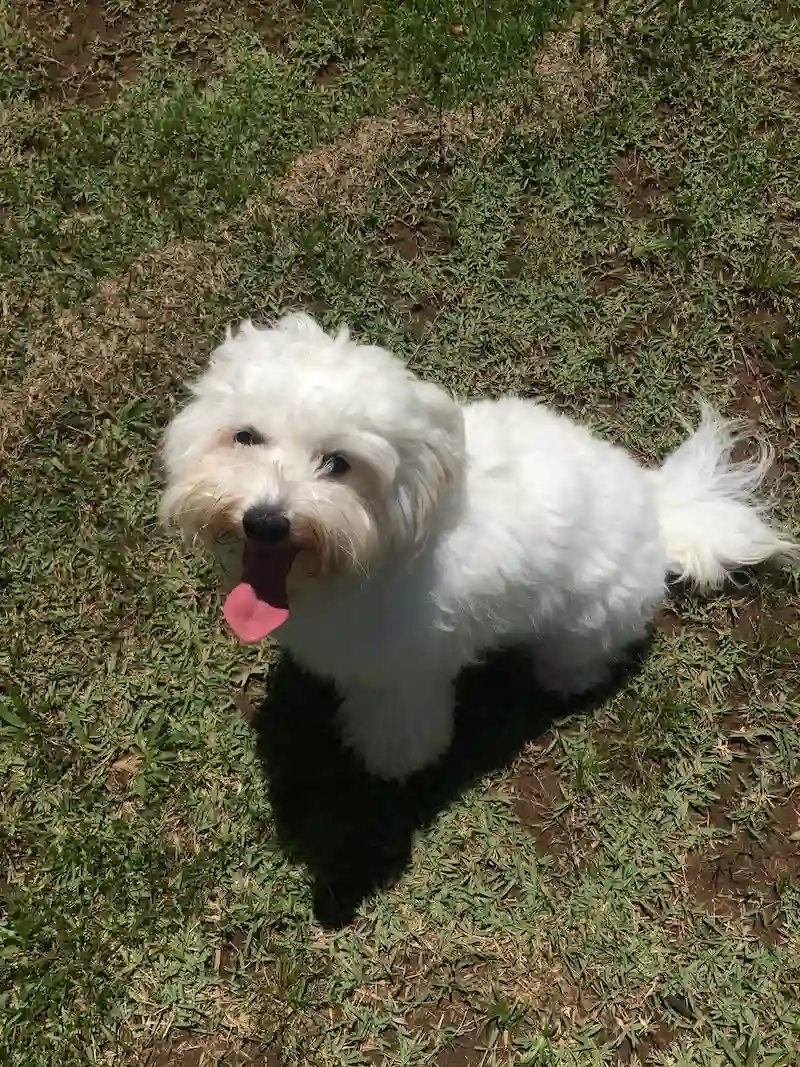 Murphy
 Valtersky
Meet Valtersky & Murphy
FOUNDER OF TEAM SKYTC
At SKYTC, cutting-edge pet technology meets real-world testing. We merge Murphy’s hands-on companion trials with Valtersky’s precise analysis—combining over 25 years of structural engineering background with health-tech experience. To guarantee reliability for all breeds, we collaborate with a trusted network of experienced large-breed tutors and active dog handlers who stress-test heavy-duty gear in rugged conditions. We raise the bar for review standards so your best friend gets only the safest, most functional, and highly reliable hardware on the market.
More Pets Tech



Read also: Top GPS Trackers for Blue Heeler Cattle Dogs: Heavy-Duty Pasture Telemetry and Stockyard Durability
Mitochondrial Stress Warning: Low-grade transmitters continuously pulsing unshielded, high-frequency cellular RF packets directly against canine cervical vertebrae trigger chronic oxidative stress, degrading cellular recovery and spiking night-time cortisol during essential restorative sleep phases.