
Optimizing micronutrients for runner bone matrix resilience is the single most aggressive tactical cheat code for endurance athletes fighting stress fractures and premature skeletal exhaustion. You are six weeks into a high-mileage training block when an unyielding, deep ache develops along the anterior border of your tibia or deep inside your calcaneus. You assume your running shoes lack cushion or that you simply pushed too hard, but the painful diagnostic reality is far more sinister: your skeletal remodeling engine just stalled out.
As a mountain ultra-runner who has ground through grueling 42km+ trail races and spent six years absorbing high-velocity impacts in the kickboxing ring, I know that soft tissue strength means nothing if your underlying skeletal scaffolding crumbles under load. During my seven years as a clinical analyst—spending five years operating diagnostic X-Ray suites and two years specializing in Computed Tomography (CT scans)—I watched thousands of skeletal structures fail under repetitive mechanical stress.
Standard X-Rays and cross-sectional CT scans repeatedly reveal that runners suffering from recurrent stress reactions aren’t lacking raw structural loading; they are lacking the biochemical scaffolding required to absorb ground reaction forces. When your diet lacks bioavailable mineral co-factors, your osteoblasts cannot weave calcium and phosphorus into the organic type-I collagen matrix. Instead of dense cortical bone, you end up with porous, brittle bone tissue susceptible to micro-fractures under downhill descent forces.
By replacing useless isolated mineral pills with targeted bioavailable co-factors and nutrient-dense real food, you build a bulletproof skeletal matrix, eliminate nagging bone stress injuries, and guarantee decades of uncompromised athletic performance.30-Second Executive Summary (Tech Support Counter Talk)
Here is the raw diagnostic verdict: taking cheap calcium carbonate pills won’t save your shins from downhill impact forces—it just calcifies your blood vessels. Your skeletal bone matrix requires an organic collagen scaffolding fortified with bioavailable Calcium, Magnesium, Vitamin D3, Vitamin K2 (MK-7), Boron, and Zinc. Throw away bargain-bin multivitamins that use low-grade oxides. Fuel your osteoblasts with clean red meat and its natural animal fat, which deliver the fat-soluble vitamins, saturated lipids, and amino acids necessary to weave minerals into resilient cortical bone. Stop wasting money on showroom supplements and fix your bone architecture from the inside out.
Technical Comparison: Bone Remodeling & Supplement Protocols
To evaluate skeletal protection strategies, we must analyze bone remodeling protocols through diagnostic bio-engineering metrics rather than supplement marketing claims. Below is a clinical comparison of common mineral delivery setups.
| Bone Matrix Protocol | Bioavailability & Absorption | Cortical Remodeling Yield | Vascular Calcification Risk | Collagen Hydroxyproline Yield | Skeletal Longevity ROI |
|---|---|---|---|---|---|
| Bargain Calcium Carbonate | Low (5–10% Uptake) | Negligible / Unreported | High (Arterial Plaque Risk) | 0% (Zero Amino Support) | Low (Symptom Mask) |
| Plant Synthetic Multivitamin | Moderate (Low Oxide Ratios) | Low to Moderate | Moderate (Lacks K2 Balancers) | Low (Incomplete Proteins) | Moderate (Inconsistent) |
| Isolated Calcium + D3 Drops | Moderate-High | Moderate | High (Missing MK-7 Matrix) | 0% (No Structural Matrix) | Moderate (Sub-Optimal) |
| Bio-Stacked K2/D3 & Red Meat | Maximum (Bioavailable Heme) | Optimal Cortical Density | Zero Risk (Directs to Bone) | High (Glycine/Proline Surge) | Maximum (Lifetime Density) |
Battlefield Assessment: Supplement & Nutrition Categories
1. Bargain Synthetic Calcium Carbonate Pills
The Good: Inexpensive, mass-produced, and readily available on any grocery store shelf.
The Bad: Requires massive stomach acid to dissolve, causes severe gastrointestinal distress, and deposits unabsorbed calcium into soft tissues and arterial walls rather than bone tissue.
2. Commercial Plant-Based Multivitamins
The Good: Marketed heavily with clean, eco-friendly branding and polished packaging.
The Bad: Frequently uses low-grade magnesium oxide and synthetic K1, failing to deliver the lipid-bound vitamin K2 (MK-7) necessary to activate osteocalcin in bone matrix tissue.
3. Isolated Calcium & Vitamin D3 Drops
The Good: Offers superior liquid intestinal absorption compared to cheap compressed chalk tablets.
The Bad: Without Vitamin K2 and magnesium as balancing co-factors, high-dose D3 mobilizes calcium into the bloodstream without a mechanical guide to lock it into the osteoblast matrix.
4. Bio-Stacked Micronutrients & Clean Red Meat Protocol
The Good: Delivers bioavailable minerals alongside glycine, proline, hydroxyproline, heme iron, and natural animal fats required to construct the flexible protein flex-scaffolding of bone tissue.
The Bad: Requires consistent meal preparation discipline, sourcing quality grass-fed meats, and ignoring outdated low-fat dietary dogma.
Clinical Breakdown: Micronutrients for Runner Bone Matrix Integrity
When high-impact forces hit your feet on technical trail descents, your bones don’t act as static cement pillars; they function as dynamic, living piezoelectric structures. Every footstrike deforms the bone micro-architecture slightly, generating electrical micro-currents that signal osteoblasts to lay down new tissue along lines of stress.
However, osteoblasts cannot build dense hydroxyapatite crystals without specific micronutrients for runner bone matrix synthesis working in total metabolic alignment. Bone matrix consists of two primary components: a flexible organic collagen matrix (making up roughly thirty percent of bone weight) and an inorganic mineral matrix composed of calcium, phosphorus, and trace minerals.
Calcium and phosphorus provide compressive strength, but without the organic collagen web, bone tissue becomes brittle like dry chalk. To construct this organic collagen matrix, your osteoblasts require high concentrations of the amino acids glycine, proline, and hydroxyproline—compounds found in abundance in clean red meat, bone broth, and animal connective tissue.
Furthermore, fat-soluble vitamins serve as the biochemical switches for mineral deposition. Vitamin D3 increases intestinal calcium absorption into the bloodstream, but Vitamin K2 (specifically the long-chain MK-7 form) activates two critical proteins: osteocalcin, which binds calcium to the hydroxyapatite matrix, and matrix Gla protein (MGP), which prevents calcium from settling in your arteries.
Magnesium serves as the indispensable structural co-factor for over three hundred enzymatic reactions, including the conversion of Vitamin D3 into its active hormone form (calcitriol). If you run high weekly mileage while deficient in magnesium, your body mobilizes calcium from your bones to maintain blood pH levels, accelerating bone turnover and leading to early-stage osteopenia.
Having spent years reviewing CT scans of fractured tibias and metatarsals, I can confirm that runners with high bone mineral density don’t rely on synthetic chalk pills. They build resilient skeletal scaffolding by consuming clean red meat packed with natural animal fats. Natural saturated fats like beef tallow and grass-fed butter supply cholesterol—the precursor for steroid hormones—along with fat-soluble vitamins essential for bone tissue remodeling.
When you combine heavy multi-planar impact loading with clean red meat and targeted mineral co-factors, you create a dense, resilient bone matrix capable of handling mountain ultramarathon forces.
The Realities of the Battlefield
The health and fitness industry frequently pushes isolated calcium supplements and low-fat diets as the gold standard for skeletal maintenance. These marketing campaigns claim that drinking skim milk and popping low-grade calcium pills will protect your shins from chronic stress fractures.
However, isolated calcium carbonate pills lack the fat-soluble co-factors needed to guide minerals into bone tissue. Without Vitamin K2, Magnesium, and Zinc, unguided calcium circulates in the blood, contributing to vascular stiffness and kidney stone formation while leaving bone tissue weak.
Furthermore, ultra-runner diets that eliminate natural animal fats strip the body of the fat-soluble vehicles required to absorb Vitamin D3 and K2. Real skeletal resilience requires both an organic protein matrix and precise mineral co-factors working in harmony.
Hypothetical Failure Scenario: The Calcium Carbonate Trap
Consider Sarah, a 41-year-old executive training for her third mountain marathon. At week eight of her training cycle, she feels a persistent, aching pressure along her inner shin. Believing her bones need simple calcium, she buys low-grade synthetic calcium carbonate pills and switches to a strict low-fat, high-carb diet.
Sarah continues running 70 kilometers per week, believing her calcium supplement will protect her shins. However, without Vitamin K2 to activate osteocalcin and without natural fats to absorb Vitamin D3, her osteoblasts cannot rebuild the damaged tibial matrix.
By week twelve, her deep shin ache turns into a sharp, localized pinpoint pain that prevents her from walking. A diagnostic CT scan reveals a high-grade cortical stress fracture along the medial tibial border, forcing her out of her race and onto crutches for two months.
👇 Looking for more performance cheats? Check out our field-tested tactical guides:
SkyTC Master Hub & Pillar Guides
The Actionable Field Checklist: Optimizing Your Bone Matrix
- Prioritize micronutrients for runner bone matrix resilience by eliminating low-grade synthetic calcium carbonate pills and replacing them with highly bioavailable chelated minerals.
- Supplement with Vitamin K2 (MK-7) alongside Vitamin D3 to ensure absorbed calcium is directed into bone tissue rather than soft vascular walls.
- Incorporate clean red meat, bone broth, and slow-cooked animal connective tissue into your weekly diet to supply essential glycine and proline for collagen matrix synthesis.
- Use chelated magnesium glycinate or malate daily to support osteoblast function and activate Vitamin D conversion enzymes.
- Eliminate industrial seed oils that cause systemic inflammation and impair intestinal absorption of fat-soluble vitamins.
- Ensure adequate daily dietary zinc and boron intake to stimulate osteoblast proliferation and prevent mineral leaching.
- Avoid ultra-processed, low-fat diets that starve your hormonal system of the saturated fats required for bone tissue remodeling.
- Include natural animal fats like grass-fed beef tallow or butter in your meals to optimize the absorption of fat-soluble vitamins D3, K2, and A.
- Monitor bone density health using periodic DEXA scans or diagnostic imaging if you experience localized bone tenderness.
- Maintain adequate sodium and raw mineral salt intake to prevent your body from pulling alkaline minerals from bone tissue during heavy sweating.
- Avoid high doses of isolated calcium supplements without verifying your serum Vitamin K2 and Magnesium levels first.
- Implement progressive, multi-planar plyometric drills to generate the electrical signals that trigger osteoblasts to lay down new bone tissue.
- Protect deep sleep cycles to maximize nocturnal human growth hormone release for skeletal repair.
- Ditch carbonated soft drinks high in phosphoric acid that disrupt your body’s delicate calcium-to-phosphorus balance.
Dynamic No-Nonsense FAQ
Why do cheap calcium carbonate supplements cause arterial calcification?
Calcium carbonate requires high stomach acid to dissolve and has poor intestinal absorption. Unabsorbed calcium spikes serum calcium levels without Vitamin K2 to activate osteocalcin, leading to calcium deposits in soft tissues and blood vessels.
How does clean red meat help build stronger bones than plant protein?
Clean red meat provides highly bioavailable heme iron, zinc, phosphorus, and essential amino acids like glycine and proline. These amino acids build the flexible organic collagen scaffolding that holds calcium crystals in place within bone tissue.
Can I get enough Vitamin K2 (MK-7) from a standard plant-based diet?
No. Vitamin K1 is found in green leafy vegetables, but the active MK-7 form of Vitamin K2 is found almost exclusively in fermented foods, egg yolks, grass-fed butter, and animal fats. MK-7 stays active in the body significantly longer than K1.
Why is magnesium critical for converting Vitamin D3 into its active form?
Magnesium serves as an essential co-factor for the hepatic and renal enzymes that turn inactive Vitamin D3 into active calcitriol. Without adequate magnesium, high-dose Vitamin D3 supplements remain inactive and ineffective.
Do high-cushion running shoes reduce the need for strong skeletal bone matrix density?
No. Soft shoe foam dampens surface impact noise, but the total kinetic impact force still passes through your foot, tibia, and femur. Strong bone matrix density is essential for absorbing downhill running forces.
How long does it take for osteoblasts to rebuild damaged bone matrix tissue?
The bone remodeling cycle takes approximately 90 to 120 days. Osteoclasts clear micro-damaged bone tissue over several weeks, while osteoblasts lay down new collagen and mineralize the matrix over several months.
Why does drinking skim milk fail to prevent stress fractures in high-mileage runners?
Skim milk lacks the natural fats necessary to absorb fat-soluble vitamins D3 and K2. Additionally, pasteurized skim milk often contains added simple sugars that cause systemic inflammation, impairing bone tissue remodeling.
Can I use blood tests to check if my bone matrix is getting enough minerals?
Standard serum calcium tests remain tightly regulated by the body at the expense of bone tissue. To get an accurate picture, test Serum 25-Hydroxy Vitamin D, Magnesium RBC, and specific bone turnover markers like Osteocalcin and P1NP.
Why Trust SkyTC Biohacking Curation?
At SkyTC, we treat the human body as your most valuable technology. We are not just a recommendation site; we apply a rigorous clinical and practical screening process to ensure that each recommendation optimizes your biology with safety and real-world results.
✓ Technical Expertise:
Clinical experience in Radiology and Tomography (CT scans). We analyze methods through the lens of bone health and structural integrity.
✓ Specialization:
Focus on real-world biohacking. We test every wearable and supplement at the absolute limit of effort during marathons and on the mats.
✓ Authority:
Curation based on absolute transparency, always highlighting both the positive advantages and the real drawbacks of every technology.
✓ Trust:
A curation process built directly on the professional experience of a field practitioner, speaker, and high-performance leader coach.

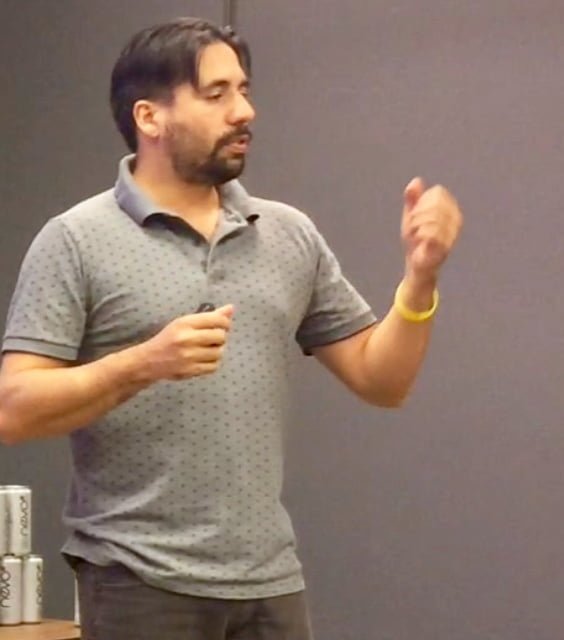


Optimizing the body demands the clinical precision of someone who operated in Radiology (Brazilian Board Certified, CRTR-SP 23595T) for years, combined with the unyielding resilience of someone who conquered multiple 42km+ mountain marathons. At SkyTC, we bridge advanced technical science with extreme practical environments to help you biohack your active performance and structural longevity.
Discover my full professional trajectory →✨ Read also: (How to Stimulate Osteoblasts for Stronger Bones: The Clinical Skeletal Protocol)
> A deeply technical piece of content that perfectly complements this post — absolutely worth the read.