

To stop feeling sharp knee twinges on steep paths, you must quit treating your knee like an isolated mechanical hinge that just needs a tighter neoprene band. If you are thirty-five, forty, or pushing fifty, and every technical mountain descent feels like someone is driving an ice pick straight beneath your patella, your kinetic chain is buckling under eccentric force. The fitness marketplace loves pushing elastic braces, cheap kinesiology tape, and showroom joint gels, but none of that showroom junk alters the brutal physics slamming your cartilage.
You know the exact frustration: you conquer the climb feeling like an absolute engine, summiting with plenty of gas left in the tank, only to dread every single downward step back to the trailhead. After twenty minutes of descending, your quads start trembling, your foot strikes get sloppy, and every boulder drop sends an electric shock through your patellar tendon. You end up shuffling sideways like an injured crab, nursing an inflamed joint while casual hikers cruise right past you.
The tactical cheat code is not sitting on your couch for eight weeks or masking the breakdown with synthetic NSAIDs that tear up your digestive tract. Real joint resilience comes from dialing in downhill kinetic shock dispersion, training the eccentric braking capacity of your posterior chain, and nourishing connective tissues with species-appropriate biological substrates. Lock this blueprint down, and you will save thousands on useless physical therapy gadgets, protect your joint surfaces for decades, and charge down steep mountain grades with absolute confidence.
Bio-Available Fuel: The Core Cellular Summary
Here is the straight counter talk from the diagnostic trenches: your downhill knee pain is an eccentric load management failure. When you hike or run downhill, gravity accelerates your mass, generating ground reaction forces between five and eight times your body weight on every single contact. If your glutes, hamstrings, and ankles fail to absorb that kinetic energy, the entire shockwave drives your patella violently into the femoral groove, crushing the underlying hyaline cartilage.
Throw away the bargain-bin knee sleeves that do nothing more than trap sweat and cut off circulation. Fix the root mechanics: shorten your downhill stride, introduce a continuous micro-flexion at the knee, hinge slightly at the hips to load your gluteal muscles, and use trekking poles to disperse up to twenty percent of the downward impact. Rebuild damaged connective tissue by fueling your cells with clean red meat and its natural fats—providing the raw carnitine, glycine, and bioavailable lipids needed to synthesize a dense collagen matrix and keep joint capsules functioning under pressure.
The Biomechanical Breakdown: Stop Feeling Sharp Knee Twinges on Steep Paths
During my five years working as a clinical X-ray technician and two years running computed tomography scanners, I looked directly into hundreds of destroyed knees. You could spot the downhill runners and weekend warriors immediately: narrowed patellofemoral joint spaces, subchondral bone sclerosis, and jagged osteophytes forming right along the margins of the patella. When your tracking is misaligned, your knee cap stops gliding smoothly and starts acting like a cheese grater against your femur.
In competitive kickboxing, if you absorb a roundhouse kick with a straight, rigid leg, your knee joint blows out on the spot; you survive by bending, rotating, and distributing force through your core. Mountain descents follow the identical engineering law. The moment you lock your knee and strike the ground with your heel out in front of your pelvis, you create a massive braking shear force that bypasses your muscles and hammers directly into your passive ligaments and meniscus.
To survive steep terrain, your downhill gait must transition from a passive heel-strike collision into an active, spring-loaded kinetic roll. This requires adequate ankle dorsiflexion and strong eccentric quad strength. But the muscles only do half the work—your ligaments and articular cartilage require real physical nourishment to remodel micro-trauma incurred on rocky descents. Tendons are slow-metabolizing tissues with minimal blood supply; they do not recover on processed junk food and sugar-laden electrolyte drinks.
Clean red meat packed with natural animal fat is the premier nutritional baseline for structural tissue repair. It delivers dense concentrations of hydroxyproline, proline, and bioavailable zinc that plant proteins simply cannot match. Natural animal fats supply the cholesterol backbone required for the hormonal synthesis of recovery compounds, keeping your cellular membranes flexible and protecting your joint capsule against chronic, low-grade inflammatory degradation after a brutal forty-kilometer descent.
| Downhill Deceleration Strategy | Patellofemoral Shear Reduction | Kinetic Energy Absorption | Downhill Agility Impact | Field Longevity Rating |
|---|---|---|---|---|
| Hip-Hinged High Cadence Stride | Extremely High | Maximal (Glutes & Hamstrings) | High | Elite Tier |
| Carbon Fiber Trekking Poles | Moderate to High | High (Upper Body Transfer) | Moderate | High Performance |
| Maximalist Cushion Trail Shoes | Low | Low (Dampens Initial Sound Only) | Very Low | Bargain-Bin Trap |
| Neoprene Compression Sleeves | Negligible | Zero (Thermal Retention Only) | Low | Low-Grade Utility |
| Rigid Hinged Knee Braces | Artificially High | Transfers Force to Hip/Ankle | Severely Restricted | Unsafe Gimmick |
The Bare-Metal Trial: Pros, Cons, and Real-World Wear
Hip-Hinged Cadence Deceleration:
The Good: Shifting your center of gravity slightly forward and landing with your foot beneath your hips forces your glutes to absorb kinetic energy, dropping patellar contact pressure instantly.
The Bad: It incinerates muscular stamina rapidly if your posterior chain is undertrained, leaving your hamstrings completely smoked by the bottom of the mountain.
Carbon Trekking Poles:
The Good: Plants a secondary forward anchor that unloads tons of cumulative stress from your lower joints across a long mountain descent.
The Bad: Premium tier investments snap like dry twigs if you wedge the tip between two granite slabs while moving at high downhill speeds.
Maximalist Foam Footwear:
The Good: Feels like walking on pillows across flat, packed fire roads and shields your soles from sharp rock bruising.
The Bad: The towering stack height robs your ankles of proprioceptive feedback, turns technical foot placements into unstable lateral ankle-rolling traps, and does zero to stop patellofemoral shear.
Drugstore Knee Sleeves:
The Good: Keeps the joint capsule warm on freezing alpine starts and provides mild tactile reassurance against skin scrapes.
The Bad: Bunches up behind the knee into a sweat-soaked tourniquet that pinches the popliteal artery and common peroneal nerve on long descents.
The Biomarker Reality: True Stamina Under Pressure
Showroom outdoor gear brands love running ads showing smiling athletes sprinting down scree fields in ultralight gear. But take that gear into the backcountry through rain, mud, and endless switchbacks, and the showroom illusion shatters fast. Cheap flick-locks on budget trekking poles fail under high-impact downward stabs, collapsing instantly and leaving your lead knee to absorb a massive, unexpected gravitational shock.
Over-cushioned trail running shoes lose their structural foam resilience after just a few high-mileage descents. The foam compresses unevenly, tilting your calcaneus inward and driving severe internal tibial rotation. This mechanical torque transfers straight up into the patella, creating micro-tears in the tendon. No amount of synthetic anti-inflammatory creams will fix a knee that is being torqued sideways by failing midsole materials.
Hypothetical Failure Scenario
Consider a forty-two-year-old corporate director preparing for a mountain trail marathon. He experiences mild twinges below his kneecap during weekend training runs. Instead of fixing his downhill mechanics or strengthening his hips, he buys a thick neoprene knee brace from a local pharmacy and laces up the thickest, squishiest shoes available in the showroom.
Ten miles into a technical alpine descent, his quad muscles fatigue. Relying on the cushion of his shoes, he begins overstriding, locking his knee joint and slamming his heel into the dirt on every step. The thick shoe foam prevents his nervous system from sensing the impact severity, while the knee sleeve slips down his calf. By mile sixteen, an excruciating, sharp fire erupts beneath his kneecap, forcing him to limp the remaining distance with severe acute patellar tendinopathy that sidelines him for three months.
Keep exploring
If you found this useful and want to go a little deeper, these related guides explore the same ideas from different angles.
Field-Tested Tactical Guides
Explore practical guides for performance, recovery, metabolism, stress regulation and deeper sleep.
The Cut Line: Bare-Metal Execution Checklist
- Implement kinetic protocols to stop feeling sharp knee twinges on steep paths.
Expert Tip: Land with a flexed knee directly under your center of mass rather than reaching forward with a locked heel to eliminate anterior joint shear. - Increase your downhill cadence to over one hundred eighty steps per minute.
Expert Tip: Shorter, rapid steps distribute kinetic impact across dozens of micro-contacts instead of punishing your joints with massive single-impact collisions. - Deploy rigid carbon trekking poles on technical downhills.
Expert Tip: Plant poles slightly ahead of your descent to transfer up to twenty percent of downward kinetic force through your lats and core musculature. - Fuel joint matrix remodeling with clean red meat and suet.
Expert Tip: Tendons and ligaments require bioavailable glycine, proline, and saturated animal fats to trigger collagen synthesis and repair micro-damage after steep descents. - Strengthen the vastus medialis oblique through backward sled drags.
Expert Tip: Pulling weight backward loads the quads through terminal knee extension without generating compressive patellofemoral shear forces. - Ditch marshmallow-soft trail shoes on steep technical terrain.
Expert Tip: Excessive stack height delays neuromuscular stabilization, forcing your knee ligaments to fight unnatural lateral rotational torque on uneven ground. - Hinge at the hips to load the posterior chain on downhills.
Expert Tip: Leaning slightly forward from the pelvis recruits the gluteus maximus as the primary deceleration brake, taking the strain off your patellar tendon. - Avoid relying on elastic knee sleeves to mask mechanical pain.
Expert Tip: Sleeves only provide cutaneous sensory feedback; they do not alter skeletal alignment or protect cartilage from high-impact structural degradation. - Mobilize ankle dorsiflexion to prevent premature knee collapse.
Expert Tip: A stiff talocrural joint forces the knee to rotate inward to find range of motion, grinding the patella directly into the lateral femoral condyle. - Inspect pole flick-locks and locking pins before every mountain descent.
Expert Tip: A loose pole clamp that slips under full bodyweight will instantly throw you off balance, forcing an emergency knee-buckling impact to catch yourself. - Stop downhill running workouts the moment your stride degrades.
Expert Tip: Continuing to run down steep terrain with fatigued stabilizer muscles directly converts training volume into irreversible hyaline cartilage abrasion.
Mitochondrial Breakdown: Straight Answers to Biohacking Queries
Why does my knee only hurt when walking downhill?
Downhill movement demands intense eccentric quad contraction. This pulls your patella tight against the femur under massive deceleration forces that simply do not exist during uphill climbing.
Will a compression knee sleeve fix my patellar tracking issue?
No. A sleeve is just a warm sock for your knee. It provides zero mechanical support against the hundreds of pounds of downward force generated on steep switchbacks.
Do trekking poles really save your knees on descents?
Yes, absolutely. High-end trekking poles transfer tons of cumulative downward kinetic force into your upper body, significantly dropping patellofemoral contact pressure over long mountain descents.
Should I ice my knee after a painful downhill descent?
No. Icing shuts down local lymphatic drainage and delays macrophage activity needed for tissue repair. Use active recovery walks and nutrient-dense foods instead of freezing the joint.
Can shoe cushion compensate for poor downhill running form?
Never. Massive foam soles merely mask the impact sound while dulling your proprioception. The kinetic shockwave still travels straight through your foot into your knee joint.
How does clean red meat help repair damaged knee cartilage?
Tendons and cartilage are built from collagen. Clean red meat provides the specific amino acid profile, bioavailable zinc, and healthy animal fats required to fuel structural connective tissue remodeling.
Is it better to land on your heels or toes on steep descents?
Neither. You want a midfoot landing directly under a flexed knee. Landing on your heels creates a violent braking force, while tip-toeing completely blows out your Achilles tendons.
What is the fastest gym exercise to stop downhill knee twinges?
Heavy backward sled drags. They pump synovial fluid through the patellofemoral joint and build immense eccentric quad strength without generating destructive joint friction.
Why Trust SkyTC Biohacking Curation?
At SkyTC, we treat the human body as your most valuable technology. We are not just a recommendation site; we apply a rigorous clinical and practical screening process to ensure that each recommendation optimizes your biology with safety and real-world results.
✓ Technical Expertise:
Clinical experience in Radiology and Tomography (CT scans). We analyze methods through the lens of bone health and structural integrity.
✓ Specialization:
Focus on real-world biohacking. We test every wearable and supplement at the absolute limit of effort during marathons and on the mats.
✓ Authority:
Curation based on absolute transparency, always highlighting both the positive advantages and the real drawbacks of every technology.
✓ Trust:
A curation process built directly on the professional experience of a field practitioner, speaker, and high-performance leader coach.
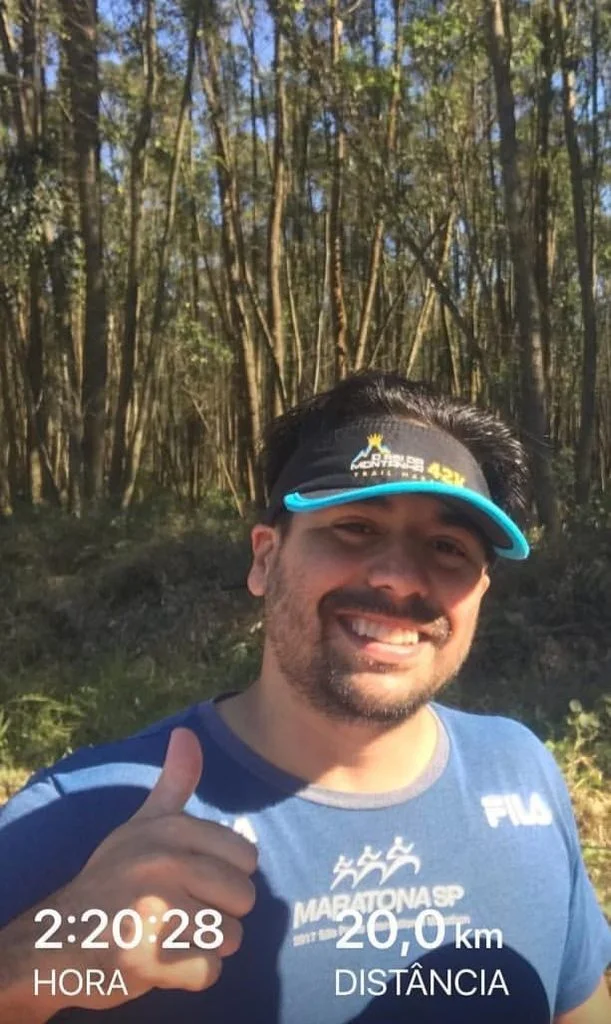

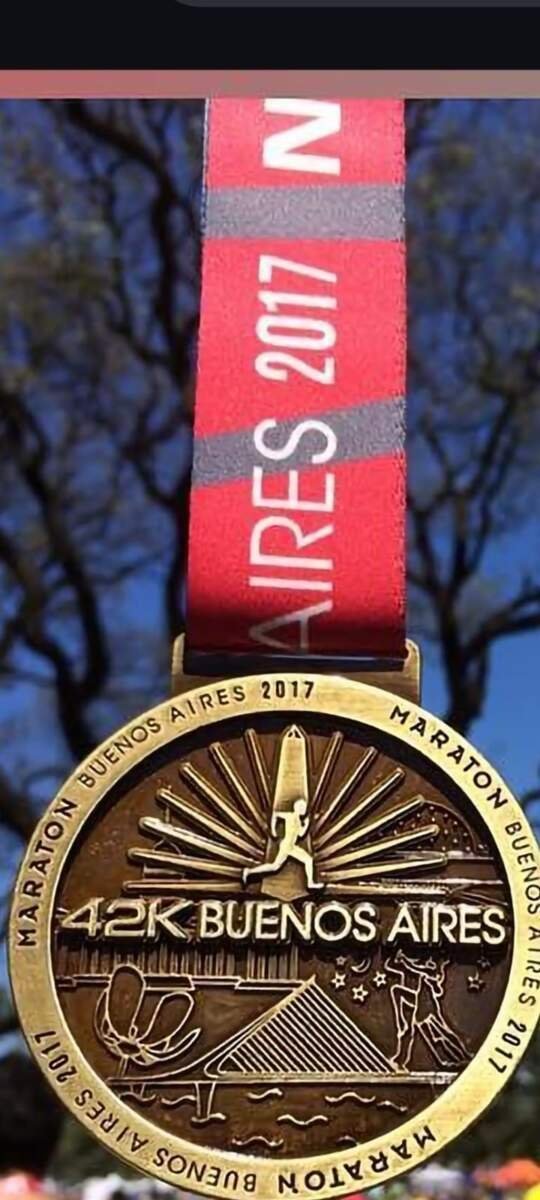

Optimizing the body demands the clinical precision of someone who operated in Radiology (Brazilian Board Certified, CRTR-SP 23595T) for years, combined with the unyielding resilience of someone who conquered multiple 42km+ mountain marathons. As an active professional, multi-pet handler, and tech benchmark researcher, at SkyTC, we bridge advanced technical science with extreme practical environments to help you biohack your active performance, optimize smart pet-tech ecosystems, and protect your structural longevity
Discover my full professional trajectory →More Biohacking



Read also: Fast Knee Relief Drills for Ultra Marathoners: The Joint De-Loading Protocol
RAW MITOCHONDRIAL WARNING: Chronic joint inflammation from repetitive downward impact spikes systemic cytokines, degrading cellular recovery reserves and causing catastrophic physical stamina crashes across long training blocks.